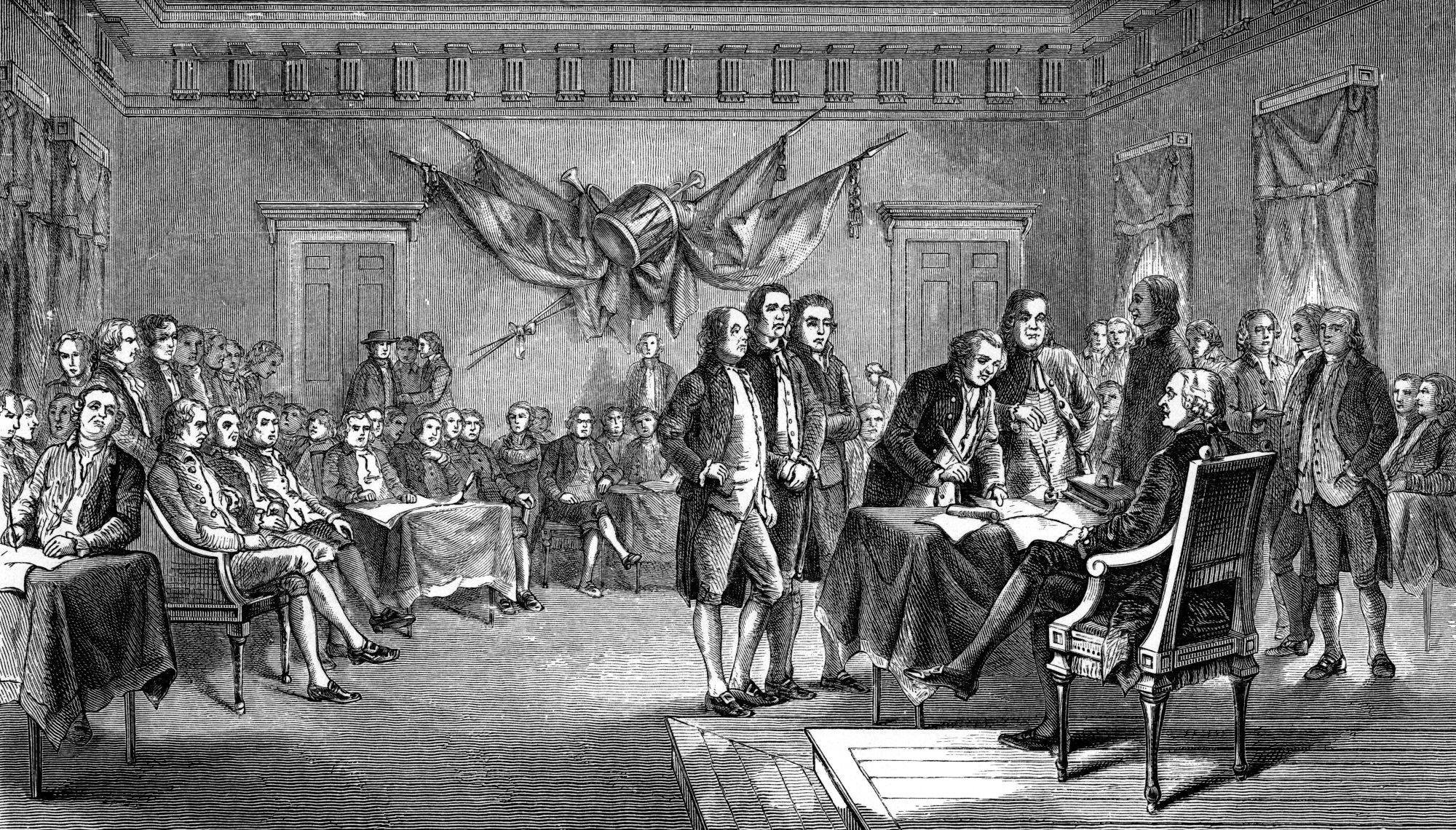
As the United States continues to celebrate its 250th birthday, we have an opportunity—and an obligation—to reflect on what has allowed this nation to endure. Each generation has made choices that strengthened the country’s economic foundation and expanded opportunity. But today, our fiscal trajectory threatens that legacy. If we want America’s 300th birthday to be marked by prosperity rather than crisis, we must confront the growing burden of federal debt and the accelerating cost of interest payments.
Rising Interest Costs Are Consuming More of the Nation’s Future
When the federal government borrows to finance its spending, it issues Treasury bonds that must be repaid with interest. Those interest payments are mandatory—they must be made before Congress funds any other priority. And they are rising at a pace that should concern anyone who cares about the country’s long‑term strength.
The national debt has doubled since 2015. Over that same period, interest payments have nearly quadrupled—from $223 billion in 2015 to $970 billion in 2025. Rates have climbed as well: average interest rates on 10‑year Treasuries were 2.3% from 2010 to 2020; today they are 4.5%. Because we are carrying so much debt, even small increases in rates have enormous consequences for the federal budget.
Research from the Yale Budget Lab shows that higher deficits themselves can push interest rates upward, creating a feedback loop where borrowing begets higher rates, which beget higher interest costs. These pressures will intensify in the decade ahead as debt continues to rise.
Mandatory Debt Service Is Crowding Out National Priorities
Interest payments are now larger than federal spending on defense. Every dollar spent on interest is a dollar not available for infrastructure, education, scientific research, or emergency response. As interest consumes more of the budget, the nation loses flexibility—its ability to invest, innovate, and respond to crises erodes.
A common measure of debt affordability is interest payments as a share of federal revenue. States typically spend about 3.4% of their revenue on debt service, and many have statutory limits between 5% and 10%. The federal government is on a very different path.
Over the next decade, federal debt service payments will average 22% of revenues, reaching 26% in 2036—meaning one out of every four taxpayer dollars will go toward interest alone. This is not a sustainable trajectory for a nation that hopes to remain strong, competitive, and resilient.
Even Modest Interest Rate Increases Lead to Large Increases in Debt
The table below illustrates how even modest increases in interest rates can significantly worsen the federal budget outlook. Under CBO’s baseline scenario—where rates rise gradually from 4.1% to 4.4%—net interest costs reach $2.1 trillion in 2036, consuming 26% of all federal revenue. If rates rise slightly faster, reaching 4.9%, interest costs jump to $2.35 trillion and debt increases by $817 billion over ten years. A gradual rise to 5.4% pushes interest costs above $2.55 trillion and adds $1.6 trillion to the debt. The most severe scenario—a steep climb to 5.4% within five years—drives interest costs to $2.68 trillion, consuming 32% of federal revenue and adding $2.57 trillion to the debt. The takeaway: higher interest rates dramatically amplify long‑term deficits and debt pressures.
| How Changes In Interest Rates Impact the Debt and Deficit (Dollars In Billions) |
| Scenario |
Net Interest in 2036 |
Net Interest in 2036 as Share of Revenue |
Increase in Debt over 10-years Compared to Baseline |
| Baseline (Gradual rise from 4.1% to 4.4%) |
$2,144 |
26% |
$0 |
| Gradual rise from 4.1% to 4.9% |
$2,348 |
28% |
$817 |
| Gradual rise from 4.1% to 5.4% |
$2,553 |
31% |
$1,634 |
| Steep rise from 4.1% to 5.4% over five years, then remains 5.4% |
$2,679 |
32% |
$2,570 |
| Source: Congressional Budget Office, How Changes in Economic Conditions Might Affect the Federal Budget, 2026 to 2036: An Interactive Tool. |
A 250‑Year Legacy Worth Protecting
Anniversaries invite reflection. At 250 years, the United States is still young compared to many nations—but old enough to have learned that prosperity is not guaranteed. Our founders built institutions designed to endure. Each generation has been asked to steward those institutions so the next generation inherits a stronger country.
Today, that stewardship requires confronting the fiscal pressures that threaten long‑term stability. Rising interest costs are squeezing out investments that fuel growth and crowding out private capital by pushing interest rates higher. Left unchecked, these trends could slow the economy for decades—or trigger a fiscal crisis marked by high inflation and high interest rates.
Looking Ahead to America at 300
If we want the United States to celebrate its 300th birthday with confidence rather than anxiety, lawmakers must take seriously the challenge of slowing the growth of the national debt. That means making thoughtful choices about spending, revenues, and long‑term commitments. It means acknowledging the true costs of stacking up bills faster than we can pay them down.
Fiscal responsibility is not about austerity—it is about ensuring that future generations inherit a nation capable of meeting its obligations, investing in its people, and leading in a competitive world.
America’s first 250 years were built on foresight, discipline, and a willingness to confront hard problems. We owe it to the next 50 years—and the next 250—to do the same.