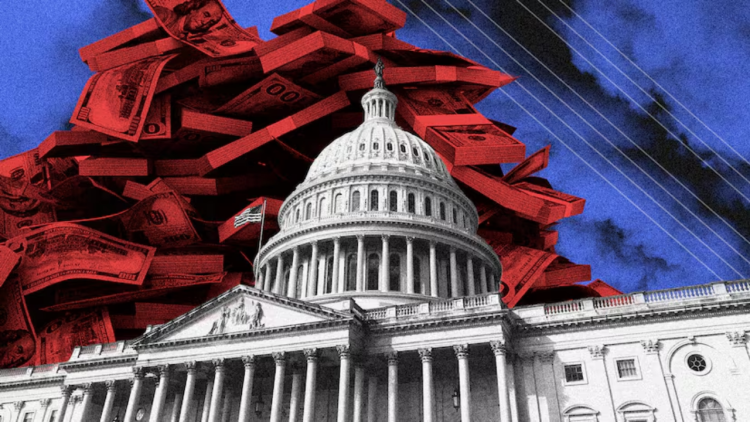
As the September 30 deadline approaches, Congress once again finds itself racing against the clock to fund the federal government. If lawmakers fail to pass the necessary appropriations bills or agree on a temporary funding measure—known as a continuing resolution—the government will shut down at 12:01 AM on October 1st. While shutdowns are often framed as political standoffs, their consequences ripple far beyond Capitol Hill, affecting millions of Americans in ways that are often overlooked.
What’s Going On in Congress?
Each year, Congress is tasked with passing 12 appropriations bills to fund everything from defense and transportation to education and environmental protection. This process is supposed to be completed before the start of the new fiscal year on October 1. But delays, partisan gridlock, and proposed policy changes (“riders”) have made timely passage increasingly rare. Congress almost never finishes this job on time. In fact, it’s only happened four times since 1977. The last time was 1996. That’s nearly three decades of missed deadlines.
For Fiscal Year 2025, Congress has made limited progress: as of mid-September only two bills have passed the Senate and three have passed the House. At the same time, major disagreements remain—particuarly in the Senate where 60 votes are required to overcome a filibuster. In addition to appropriations funding levels, several other issues are at play.
- Democrats, and some Republicans, have expressed opposition to the Trump administration’s use of the pocket rescission and fear that moving forward with appropriations without some clarity on the ability of the Executive branch to unilaterally eliminate funding would encroach on Congress’ Constitutional “power of the purse.”
- There are also ongoing negotiations about whether to extend the enhanced Affordable Care Act (ACA) premium subsidies that were enacted in response to the COVID-19 pandemic and are set to expire at the end of 2025. These subsidies partially offset the cost of health insurance premiums purchased through the ACA marketplace.
Without a deal, the fallback is a continuing resolution (CR), which temporarily extends current funding levels. But even that requires bipartisan support, and negotiations are tense.
What Happens During a Shutdown?
When the government shuts down, agencies that rely on annual appropriations must halt nonessential operations. Essential services—like air traffic control, law enforcement, and military operations—continue, but often with staff working unpaid. Here’s a snapshot of what’s at stake:
- Federal Workers: Based on the impact of previous shutdowns, roughly 800,000 employees could be furloughed or forced to work without pay – but employees are guaranteed backpay. During the 2018–2019 shutdown, the longest in U.S. history, many workers missed two paychecks, leading to financial hardship and widespread disruption.
- Public Services: National parks close, passport processing slows, and federal permits are delayed. Environmental inspections, food safety checks, and workplace safety enforcement may be paused, increasing risks to public health and safety.
- Economic Impact: Shutdowns cost the economy billions. Delayed contracts, halted infrastructure projects, and reduced consumer spending by furloughed workers all take a toll. The Congressional Budget Office estimated that the 2018–2019 shutdown reduced GDP by $11 billion, with $3 billion permanently lost.
- Benefit Disruptions: While Social Security and Medicare checks continue, new applications and customer service lines may be delayed. Programs like SNAP (food assistance) and housing subsidies could face interruptions if the shutdown drags on.
- Small Businesses and Contractors: Federal contractors often lose work during shutdowns and are rarely reimbursed. Small businesses that rely on federal loans or grants may face delays, jeopardizing operations and hiring plans.
Why This Matters to You
Even if you don’t work for the federal government or rely on federal benefits, shutdowns can still affect your daily life. Longer airport lines, closed parks, delayed tax refunds, and slower economic growth are just a few of the indirect consequences. And for communities with a high concentration of federal workers—like those near military bases or government offices—the impact can be immediate and serious.
Moreover, shutdowns and late budgets erode public trust. A democratic and deliberative budget process requires legislative bodies to consider and debate budget trade offs and build consensus around policies in the budget. Instead, what Congress does is fail to pass the budgets on time and then rush through a process at the end of the year usually involving repeated continuing resolutions and then bundled bills that few members even have a chance to see before they go to the floor for a vote. Meanwhile agencies are forced to deal with repeated short term funding patches that erode their ability to plan or make strategic decisions.
What Needs to Change
Avoiding a shutdown this year will require compromise and urgency. But preventing future shutdowns demands reform. If Congress can’t meet its most basic responsibility, they shouldn’t get paid. That’s the idea behind the No Budget, No Pay Act of 2025 (Senate Bill 88). This bill would dock lawmakers’ pay for every day they fail to pass the budget resolution by April 15 and all 12 appropriations bills by September 30. Continuing resolutions don’t count. The law would apply to future Congresses starting in 2027.
What Can You Do?
Congress works for you. If they’re not doing their job, it’s time to hold them accountable. Tell your representatives that you support No Budget, No Pay and expect them to pass a budget on time. Because if you didn’t do your job, you wouldn’t get paid either.