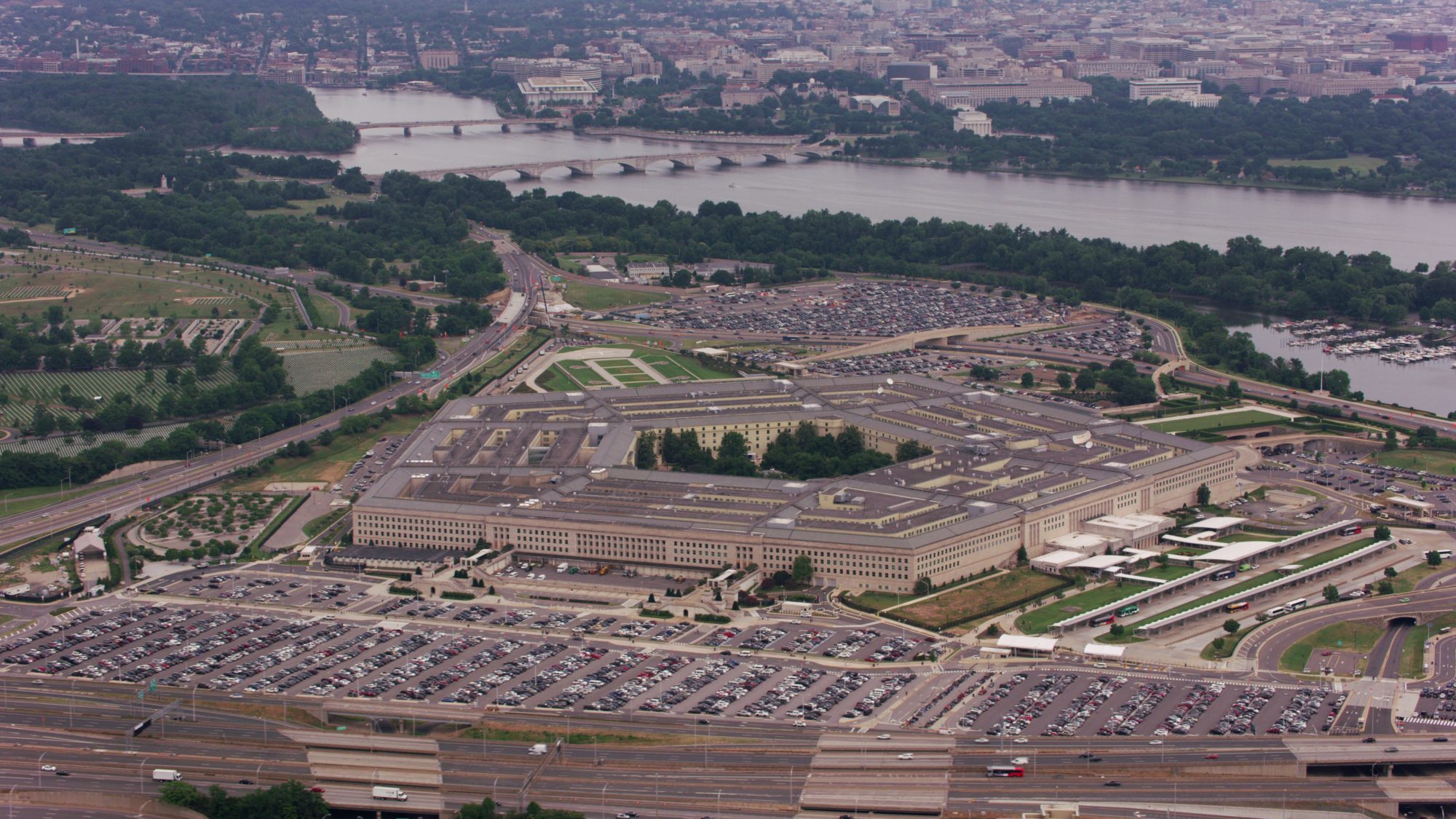
For the eighth year in a row, the Department of Defense (DoD) failed to receive a clean audit — a requirement under the Chief Financial Officers (CFO) Act of 1990, which mandates annual independent audits to strengthen accountability and public trust. More than three decades after the law’s passage, DoD remains the largest federal agency unable to produce auditable financial statements, even as the President has proposed a $446 billion increase (about 42%) to its budget. That contrast raises a basic question: how can taxpayers have confidence in a major funding boost when the Pentagon still cannot reliably track its existing dollars?
The CFO Act and what it requires
The CFO Act (P.L. 101‑576) requires federal agencies to prepare auditable financial statements and undergo annual independent audits so Congress and the public can verify that taxpayer dollars are spent as intended. The DoD Inspector General coordinates these audits, often contracting independent public accounting firms to examine the department’s finances.
How financial statements are assessed
Auditors issue one of four opinions on financial statements — unqualified (clean), qualified, adverse, or a disclaimer — based on whether the records are free from material misstatement and comply with Generally Accepted Accounting Principles (GAAP).
- Unqualified (clean): Statements are presented fairly in all material respects.
- Qualified: Statements are fair except for a specific, limited issue.
- Adverse: Statements do not present fairly and are unreliable.
- Disclaimer: Auditors cannot obtain enough evidence to form an opinion.
Why DoD keeps failing
The Pentagon’s FY2025 audit again resulted in a disclaimer of opinion, marking the eighth consecutive year without a clean audit. Auditors identified two material misstatements and 26 material weaknesses in DoD’s financial reporting controls. The audit found that program areas receiving disclaimers accounted for 43% of DoD assets and 64% of DoD budget resources; DoD’s FY2025 budget exceeded $800 billion and total assets topped $4 trillion.
Two material misstatements were central to the disclaimer:
- F‑35 Joint Strike Fighter accounting. DoD failed to properly track, manage, and report government property for the Joint Strike Fighter Program. With an estimated life‑cycle cost of about $2 trillion, the F‑35 program is DoD’s most expensive weapons program.
- Building Partner Capacity funds. DoD recorded nearly $18.9 billion as spent when funds were transferred into a trust account for future purchases, rather than when goods or services were actually procured for partner nations. That treatment produced a material misstatement in the agency‑wide financial statements.
The broader list of material weaknesses points to systemic problems:
- Outdated financial systems. Thousands of legacy systems do not meet federal standards, undermining accurate, timely reporting.
- Weak configuration and security management. Inadequate controls increase the risk of unauthorized changes and data errors.
- Incomplete and inaccurate transaction data. Many components cannot provide a complete, auditable population of transactions.
- Noncompliance with federal laws. Ongoing violations of statutes such as the Antideficiency Act and the Federal Financial Management Improvement Act indicate persistent management gaps.
- Delayed or unresolved investigations. Some financial investigations have remained open for more than 15 months, reflecting accountability shortfalls.
What officials say and next steps
Department leaders acknowledge progress in some areas but emphasize that more work is needed. DoD officials have reiterated a goal of achieving a clean audit by 2028 and new leadership has pledged to accelerate reforms and set concrete milestones. Achieving that goal will require coordinated system modernization, consistent transaction recording across components, stronger internal controls, and improved DoD‑wide oversight.
Why this matters for taxpayers
Audits are the foundation of public accountability. When auditors cannot verify basic financial information, taxpayers and policymakers cannot be confident that:
- weapons systems are purchased at fair prices;
- inventory and assets are accurately tracked;
- funds are not wasted, misallocated, or vulnerable to fraud; or
- proposed budget increases are justified by reliable financial data.
DoD has been on the Government Accountability Office’s High‑Risk List for financial management since 1995, reflecting long‑standing vulnerabilities to waste and mismanagement. Against that backdrop, a proposed $446 billion increase raises legitimate concerns: without reliable financial statements, neither Congress nor the public can fully assess whether additional funding will improve readiness and capability or simply compound existing inefficiencies.
Legislative response
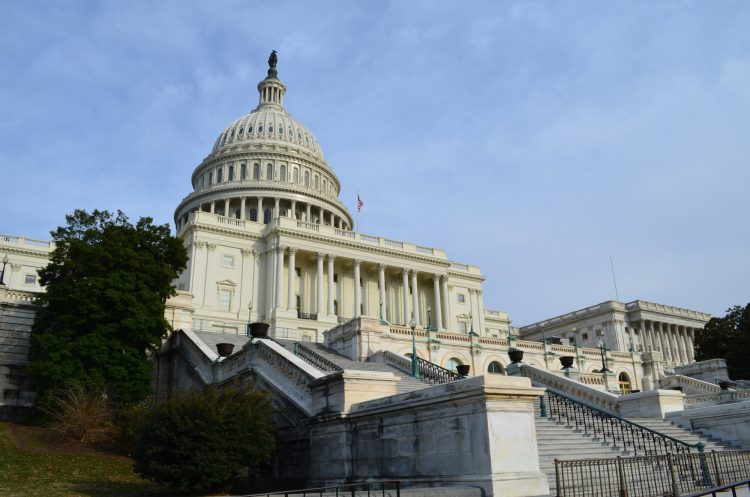
In response to persistent audit failures, lawmakers introduced the Audit the Pentagon Act of 2026 (H.R. 7555), which would impose automatic budget reductions on DoD components that fail to achieve a clean audit and require stricter leadership qualifications for future comptroller nominees. Proponents say the bill aims to create tangible consequences for continued financial mismanagement while protecting funding for personnel, families, and healthcare.
Bottom line: The FY2025 audit shows persistent, cross‑cutting deficiencies — from inventory and asset tracking to systems and consolidation processes — that prevent reliable, auditable financial statements. Fixing these problems is essential to restore accountability and ensure that every defense dollar strengthens national security.