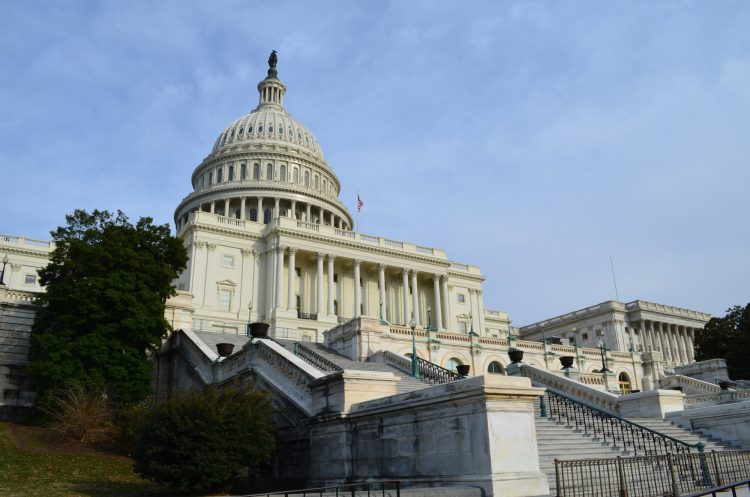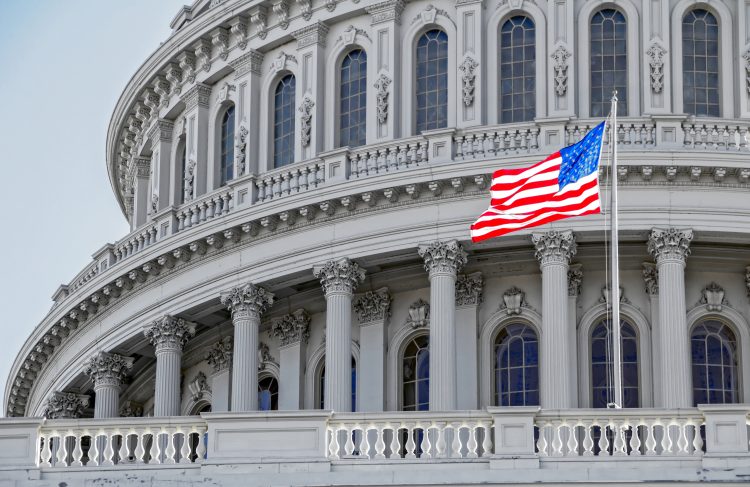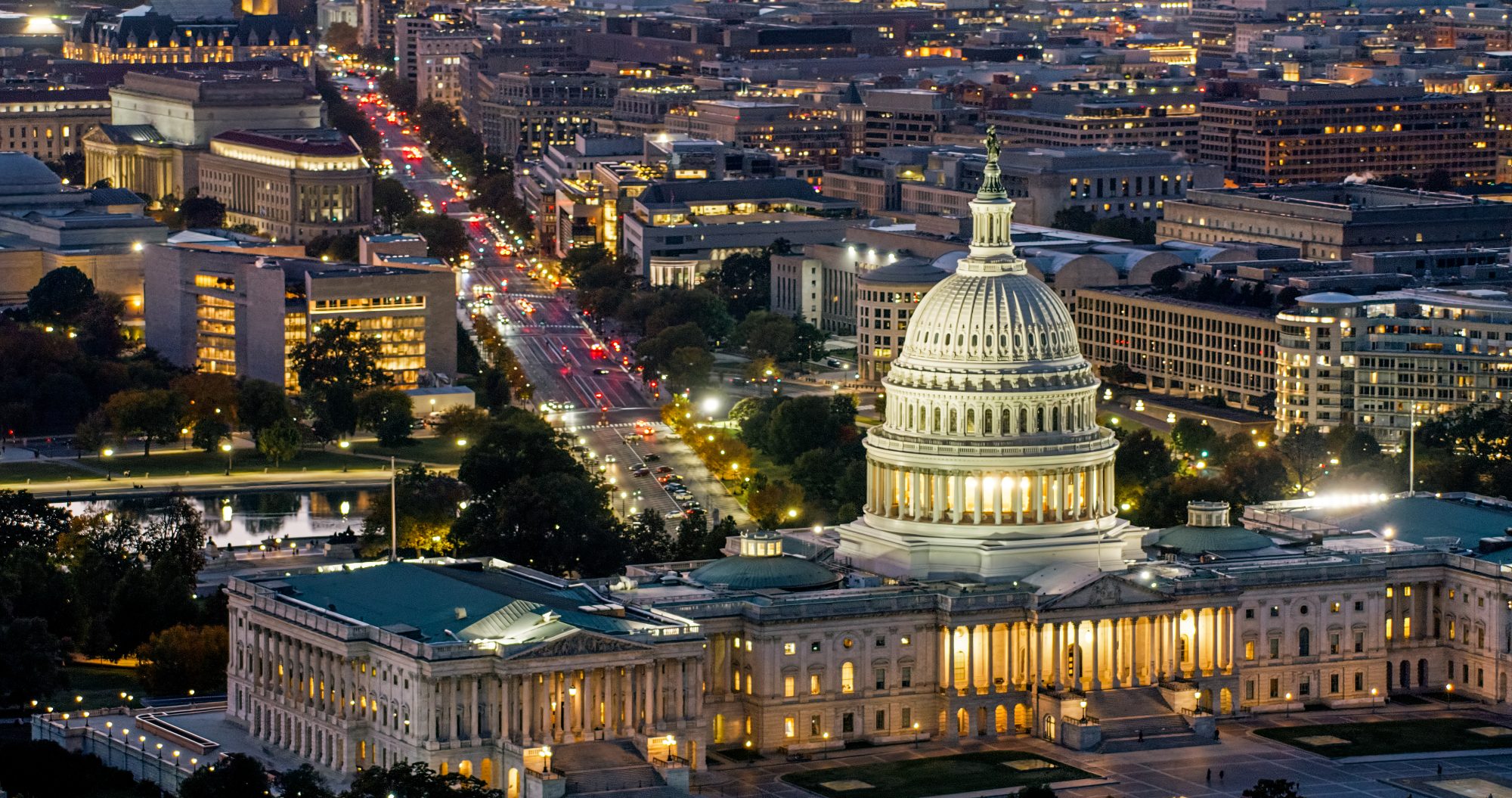
High angle helicopter shot of the Capitol Building in Washington, D.C. at twilight on a clear evening in Fall, with Pennsylvania Avenue beyond.

Congress Is Not Doing Its Job - And We Are Paying the Price

October 20, 2025 (Updated)

Every year, Congress is legally required to pass a budget to fund the federal government. That means approving 12 separate appropriations bills before the fiscal year begins on October 1. While these bills make up an increasingly small fraction of the total federal budget (only 26% of our total spending, the rest is mandatory spending plus interest on the debt), these  “discretionary spending” bills keep some of our most critical services running—from national defense and transportation to education and public health. But here’s the truth: Congress almost never finishes this job on time. In fact, it’s only happened four time since 1977. The last time was 1996. That’s nearly three decades of missed deadlines.

This year has been no different. Congress failed to pass any of the 12 appropriations bills before the October 1 deadline, nor did they pass a continuing resolution. As a result, the government has been shutdown since October 1, which is causing a myriad of problems including:

  • Thousands of federal employees have been placed on furlough with little idea of when they will be able to return.
  • TSA outages and understaffed air traffic control centers have led to increased delays at airports nationwide and heightened concerns about safety.
  • Funding for the Women, Infants and Children (WIC) nutrition program could run out if the shutdown continues.

How Do We Fix This Problem: No Budget, No Pay

If Congress can’t meet its most basic responsibility, they shouldn’t get paid. That’s the idea behind the No Budget, No Pay Act of 2025 (Senate Bill 88 and H.R. 5755) This bill would dock lawmakers’ pay for every day they fail to pass the budget resolution by April 15 and all 12 appropriations bills by September 30. Continuing resolutions don’t count. The law would apply to future Congresses starting in 2027.

The effect of this bill could be significant. On average budget resolutions between 1987 and 2022 were 68 days late and, over the past 25 years, there have been an average of 113 days – or almost four months – between the start of each fiscal year and the date that year’s final spending bill became law. This means that, based on past performance, members of Congress could lose pay for almost half the year (181 days). Maybe that’s what it takes to get results.

What You Can Do

Congress works for you. If they’re not doing their job, it’s time to hold them accountable. Tell your representatives that you support No Budget, No Pay and expect them to pass a budget on time. Because if you didn’t do your job for six months, you wouldn’t get paid either.


Group 3

Join Us

Get Action Alerts and Updates

Stand with us to demand lawmakers stop adding to our unsustainable debt.

Contributions or gifts to Concord Coalition Action Fund, Inc. are not tax-deductible as charitable contributions or business expenses.
Jump to Content