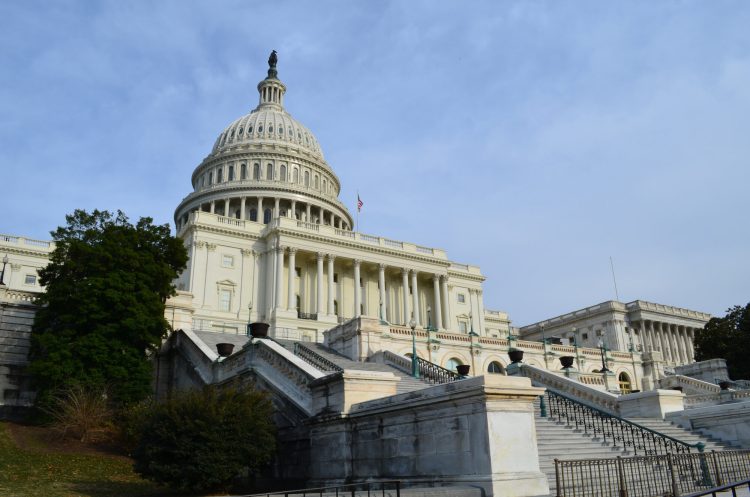
As Congress returns to Washington after the midterm elections, lawmakers face a December 11, 2026, deadline to complete work on the 12 annual appropriations bills or risk yet another government shutdown. Unfortunately, this has become an all-too-familiar story.
Every year, Congress is required to make funding decisions that keep the federal government operating. That means approving 12 separate appropriations bills before the fiscal year begins on October 1. While these bills account for an increasingly small share of federal spending, only about 25 percent of the budget, they fund many of the government’s most important functions, including national defense, transportation, education, and public health. The rest of federal spending consists of mandatory programs, such as Social Security and Medicare, and interest payments on the national debt.
Yet Congress rarely completes this work on time. In fact, Congress has finished all 12 appropriations bills before the start of the fiscal year only four times since 1977, and it has not done so since 1996. That’s three decades of missed deadlines and budgetary dysfunction.
This year has been no different. Congress failed to pass any of the 12 appropriations bills before the October 1 deadline. Instead, lawmakers passed a continuing resolution that largely extends last year’s funding levels, postponing difficult budget decisions while they returned home to campaign.
How Do We Fix This Problem? No Budget, No Pay
If Congress can’t fulfill one of its most fundamental responsibilities, taxpayers shouldn’t be expected to pay lawmakers as if the job were done.
That’s the idea behind the No Budget, No Pay Act of 2025 (S. 88 and H.R. 5755). The legislation would withhold lawmakers’ pay for every day Congress fails to adopt a budget resolution by April 15 and complete all 12 appropriations bills by September 30. Continuing resolutions would not count toward meeting those deadlines. The law would apply to future Congresses beginning in 2027.
The impact could be substantial. Between 1987 and 2022, budget resolutions were completed an average of 68 days late. Over the past 25 years, there has been an average gap of 113 days between the start of the fiscal year and the enactment of the final appropriations bill. Based on those historical averages, members of Congress could lose pay for nearly half the year, about 181 days.
Creating real consequences for missed deadlines could help restore accountability to a budget process that has been broken for decades.
Congress Must Meet Its Constitutional Duty
Passing a budget is not just another item on Congress’s to-do list. It is one of the most important responsibilities assigned to lawmakers under the Constitution. The power of the purse gives Congress the authority to decide how taxpayer dollars are spent and obligates elected officials to make those decisions openly, responsibly, and on time.
When lawmakers repeatedly rely on continuing resolutions and last-minute funding deals, they fail to meet that responsibility. Delayed budgets create uncertainty for federal agencies, reduce accountability, and undermine confidence in the nation’s fiscal governance.
Americans deserve a Congress that can perform its most basic governing function. After three decades of missed deadlines, it is time for lawmakers to treat budgeting like the constitutional responsibility it is. Passing a budget on time should be the standard, not the exception.